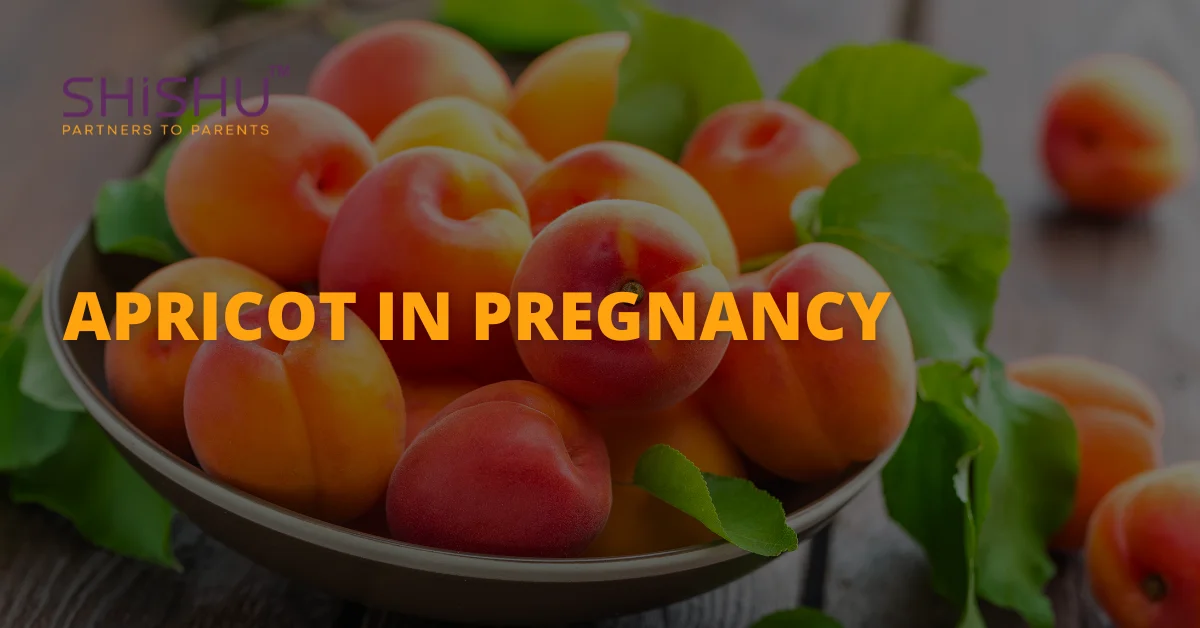
Pregnancy is a time of profound significance, marked by heightened awareness of dietary choices and their impact on maternal and fetal health. Amidst this journey, many expecting mothers inquire about the safety and benefits of consuming Apricot In Pregnancy. In this article, we will explore the nutritional value of apricots and their potential benefits for expectant mothers, offering valuable insights into incorporating this delicious fruit into a balanced pregnancy diet.
Understanding Apricot In Pregnancy
Apricot In Pregnancy, revered for their sweet taste and vibrant color, are a rich source of essential nutrients that can contribute to the well-being of both mother and baby during pregnancy. Packed with vitamins, minerals, and dietary fiber, apricots offer a plethora of health benefits that make them an excellent choice for expectant mothers seeking nourishment and vitality.
Nutritional Benefits of Apricots
Apricots boast an impressive nutritional profile, making them a valuable addition to a pregnancy diet. Some key nutrients found in apricots include:
- Vitamin A: Apricots are rich in beta-carotene, a precursor to vitamin A, which is essential for fetal growth and development, particularly in supporting vision, immune function, and skin health.
- Vitamin C: Apricots contain vitamin C, an antioxidant that supports collagen synthesis, immune function, and iron absorption, all of which are vital during pregnancy.
- Fiber: Apricots are an excellent source of dietary fiber, which aids in digestion, prevents constipation, and promotes satiety, supporting overall digestive health during pregnancy.
- Potassium: Apricots are a good source of potassium, an electrolyte that helps regulate blood pressure, fluid balance, and muscle function, supporting cardiovascular health during pregnancy.
- Iron: Although present in smaller amounts, Apricot During Pregnancy contain iron, which is essential for the production of red blood cells and the prevention of iron deficiency anemia, a common concern during pregnancy.
Health Benefits of Apricots in Pregnancy
Incorporating Apricot In Pregnancy diet offers several health benefits that can support maternal well-being and fetal development:
- Fetal Development: The vitamins and minerals found in apricots, particularly vitamin A and vitamin C, play crucial roles in supporting fetal growth and development, contributing to healthy organ formation and function.
- Digestive Health: The fiber content in apricots helps regulate bowel movements, alleviate constipation, and promote digestive comfort, which can be particularly beneficial during pregnancy when gastrointestinal issues are common.
- Immune Support: The vitamin C content in apricots strengthens the immune system, helping to protect both mother and baby from infections and illnesses during pregnancy.
- Hydration: Apricots have a high water content, contributing to hydration and fluid balance in the body, which is essential for maintaining optimal health and supporting various physiological processes during pregnancy.
- Nutrient Absorption: The combination of vitamins and minerals in apricots, including vitamin C and iron, enhances nutrient absorption and utilization, ensuring that both mother and baby receive adequate nourishment throughout pregnancy.
Incorporating Apricots into a Pregnancy Diet
There are numerous delicious ways to incorporate Apricot In Pregnancy diet, including:
- Fresh Apricots: Enjoying ripe apricots as a snack or add them to fruit salads and yogurt for a refreshing and nutritious treat.
- Dried Apricots: Dried apricots are a convenient and portable snack option, providing a concentrated source of vitamins, minerals, and fiber.
- Apricot Smoothies: Blending fresh or dried apricots with other fruits, yogurt, and milk to create delicious and nutrient-rich smoothies that are perfect for breakfast or a midday snack.
- Apricot Recipes: Incorporating apricots into recipes such as oatmeal, baked goods, salads, and savory dishes for added flavor, sweetness, and nutritional value.
Precautions and Considerations
While Apricot In Pregnancy are generally safe for consumption during pregnancy, it’s essential to practice moderation and consider individual dietary needs and preferences. Some precautions to keep in mind include:
- Allergies: Some individuals may be allergic to apricots or other fruits in the same family (e.g., peaches, cherries). It’s advisable to monitor for any adverse reactions and consult with a healthcare provider if you have concerns about food allergies.
- Sugar Content: Apricots contain natural sugars, so it’s important to consume them in moderation, especially for individuals with gestational diabetes or concerns about blood sugar levels.
- Pesticide Exposure: When possible, choose organic apricots to minimize exposure to pesticides and other harmful chemicals.
Conclusion
In conclusion, Apricot In Pregnancy is a nutritious and delicious addition to a pregnancy diet, offering essential vitamins, minerals, and fiber that support maternal well-being and fetal development. By incorporating apricots into meals and snacks, expectant mothers can enhance their nutrient intake, promote digestive health, and enjoy the numerous health benefits that apricots have to offer. However, it’s important to consume apricots in moderation and consider individual dietary needs and preferences. As always, consulting with a healthcare provider or nutritionist is recommended for personalized dietary advice during pregnancy.