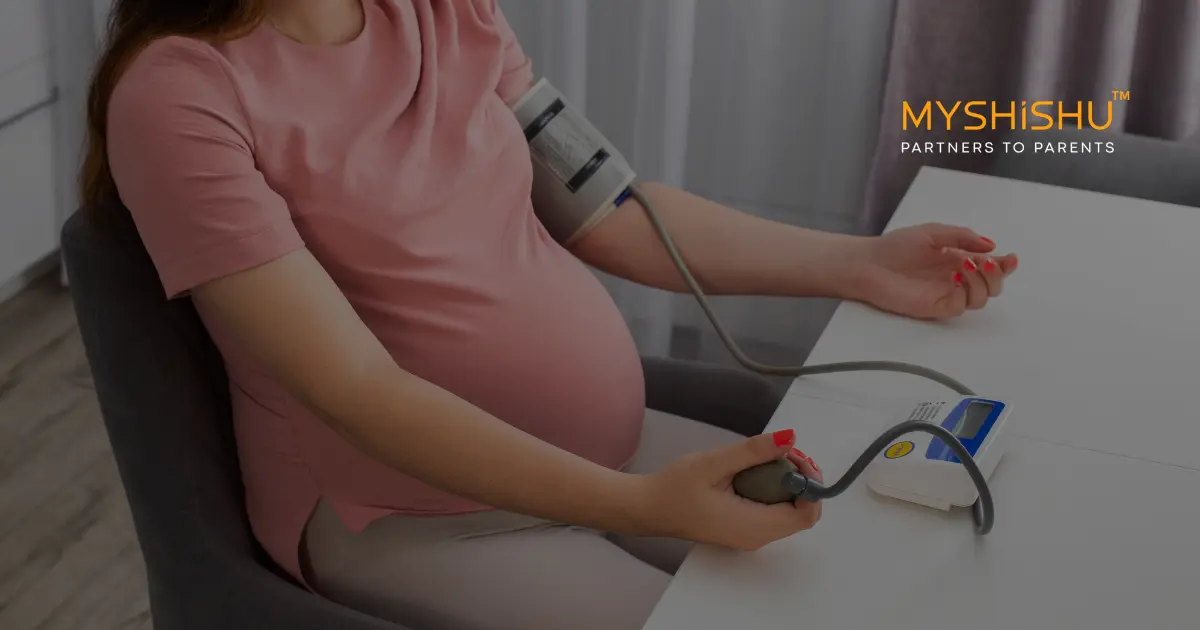
What is BP during pregnancy?
Blood pressure (BP during pregnancy) refers to the measurement of the force exerted by circulating blood against the walls of the blood vessels. Pregnancy often brings about fluctuations in blood pressure due to hormonal changes and the body’s adaptations to support the growing fetus. High blood pressure (hypertension) during pregnancy can lead to complications such as preeclampsia, affecting both maternal and fetal health. Conversely, low blood pressure (hypotension) may cause dizziness and fainting. Monitoring blood pressure levels throughout pregnancy is essential to detect and manage any abnormalities promptly, ensuring the well-being of both the expectant mother and her baby.
Pregnancy and Blood Pressure
One of the many changes a woman’s body undergoes during pregnancy is fluctuations in blood pressure. Understanding how pregnancy can affect blood pressure and how to manage it is crucial for ensuring both the mother and baby’s health. In this article, we will discuss the importance of monitoring blood pressure during pregnancy and offer tips on how to keep it in check.
Why Monitoring Blood Pressure is Important During Pregnancy
High blood pressure, also known as hypertension, is a common condition that can affect pregnant women. If left unmanaged, high blood pressure during pregnancy can lead to complications such as preeclampsia, premature birth, and low birth weight. Monitoring blood pressure regularly can help detect any changes early on and prevent potential risks to the mother and baby.
Managing Blood Pressure During Pregnancy
There are several ways to help manage blood pressure during pregnancy, including lifestyle changes and medical interventions. Here are some tips to help keep your blood pressure in check:
1. Eat a Healthy Diet: Consuming a balanced diet that is rich in fruits, vegetables, whole grains, and lean proteins can help lower blood pressure. Avoiding foods high in salt, sugar, and saturated fats is also important.
2. Stay Active: Regular exercise can help regulate blood pressure and improve overall health during pregnancy. It is important to consult with your healthcare provider before starting any exercise routine.
3. Monitor Your Weight: Maintaining a healthy weight is essential for managing blood pressure. Your healthcare provider can help you determine a healthy weight range based on your pre-pregnancy body mass index (BMI).
4. Get Plenty of Rest: Adequate relaxation is crucial for managing stress levels and keeping blood pressure in check. Make sure to prioritize sleep and take breaks when needed.
5. Stay Hydrated: Drinking plenty of water can help prevent dehydration, which can contribute to high blood pressure. Aim to drink at least eight to ten glasses of water per day.
When to Seek Medical Help
It is important to monitor your blood pressure regularly during pregnancy and report any significant changes to your healthcare provider. Here are some signs that may indicate a problem with your blood pressure:
– Severe headaches
– Blurry vision
– Swelling in the hands and face
– Persistent nausea or vomiting
If you experience any of these symptoms, contact your healthcare provider immediately for further evaluation and treatment.
Conclusion
Monitoring BP during pregnancy is essential for ensuring a healthy pregnancy and delivery. By making lifestyle changes, staying active, and seeking medical help when necessary, you can help manage your blood pressure and reduce the risk of complications. Remember to consult with your healthcare provider regularly and follow their recommendations for a safe and healthy pregnancy.