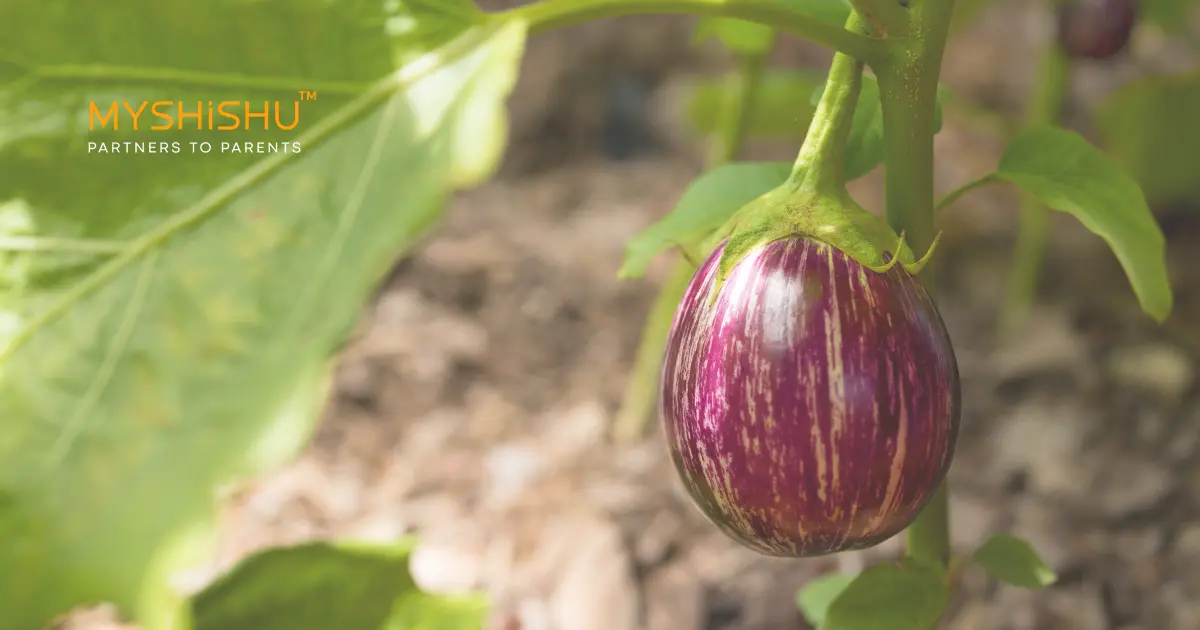
Brinjal, also known as eggplant or aubergine, is a versatile vegetable that is widely used in many cuisines around the world. It is rich in essential nutrients and antioxidants, making it a great addition to a healthy diet. But what about brinjal during pregnancy? Is it safe for expectant mothers to consume? Let’s delve into the benefits and considerations of incorporating brinjal into a pregnancy diet.
Why is Brinjal in pregnancy good for health?
Brinjal, commonly known as eggplant, can be a beneficial addition to a pregnant woman’s diet due to its array of essential nutrients. Rich in fiber, vitamins, and minerals like folate, potassium, and manganese, brinjal supports overall maternal health during pregnancy. Folate is particularly crucial for fetal development, helping prevent neural tube defects. Additionally, the fiber content aids in digestion and alleviates constipation, a common issue during pregnancy. Brinjal also contains antioxidants that combat oxidative stress, promoting a healthy immune system. When consumed as part of a balanced diet, brinjal can contribute to the well-being of both the expectant mother and her growing baby.
Benefits of Brinjal in Pregnancy
Brinjal is a nutrient-dense vegetable that can provide various health benefits during pregnancy. It is a good source of vitamins and minerals, including folate, vitamin C, vitamin K, and potassium. Folate is especially important during pregnancy as it helps prevent neural tube defects in the developing fetus. Vitamin C boosts the immune system, while vitamin K supports proper blood clotting.
Additionally, brinjal is rich in antioxidants such as nasunin, which helps protect cells from damage and inflammation. This can be particularly beneficial during pregnancy, as the body undergoes significant changes and may be more susceptible to oxidative stress.
Moreover, brinjal is low in calories and fat, making it a healthy option for expectant mothers looking to maintain a balanced diet. Its high fiber content can also help prevent constipation, a common issue during pregnancy.
Considerations for Eating Brinjal during Pregnancy
While brinjal offers many health benefits, there are some considerations to keep in mind when consuming it during pregnancy. Firstly, some pregnant women may have allergies or sensitivities to certain foods, including brinjal. It is important to monitor for any adverse reactions and consult with a healthcare provider if any concerns arise.
Another consideration is the preparation and cooking method of brinjal. Fried or heavily spiced brinjal dishes may be high in sodium and unhealthy fats, which should be limited during pregnancy. Opt for lighter cooking methods such as grilling, roasting, or steaming to retain the vegetable’s nutrients without adding unnecessary calories or additives.
It is also worth noting that brinjal contains solanine, a compound that can be toxic in large quantities. While the levels of solanine in brinjal are generally low and safe for consumption, it is advisable to moderate your intake and avoid eating raw brinjal or consuming it in excessive amounts.
Healthy Ways to Incorporate Brinjal into a Pregnancy Diet
There are plenty of delicious and nutritious ways to enjoy brinjal as part of a healthy pregnancy diet. Here are some ideas:
- Grilled brinjal slices with a drizzle of olive oil and a sprinkle of herbs
- Roasted brinjal dip with garlic, tahini, and lemon juice
- Stuffed brinjal with quinoa, vegetables, and herbs
- Brinjal curry with tomatoes, onions, and spices
These recipes not only showcase the versatility of brinjal but also offer a flavorful and satisfying addition to your pregnancy meal plan. Remember to pair brinjal dishes with other nutrient-dense foods such as lean proteins, whole grains, and colorful vegetables to ensure a well-rounded and balanced diet.
Conclusion
In conclusion, brinjal can be a nutritious and tasty addition to a pregnancy diet when consumed in moderation and prepared healthily. Its nutrient content, antioxidants, and low-calorie count make it a beneficial vegetable for expectant mothers looking to support their health and well-being during pregnancy. By incorporating brinjal into your meals in a variety of ways, you can enjoy its benefits while satisfying your cravings and nourishing your body and your growing baby.
As always, it is essential to consult with a healthcare provider or a registered dietitian before making significant changes to your diet during pregnancy. By prioritizing your health and making informed choices, you can enjoy the many benefits of brinjal while ensuring a safe and healthy pregnancy journey.