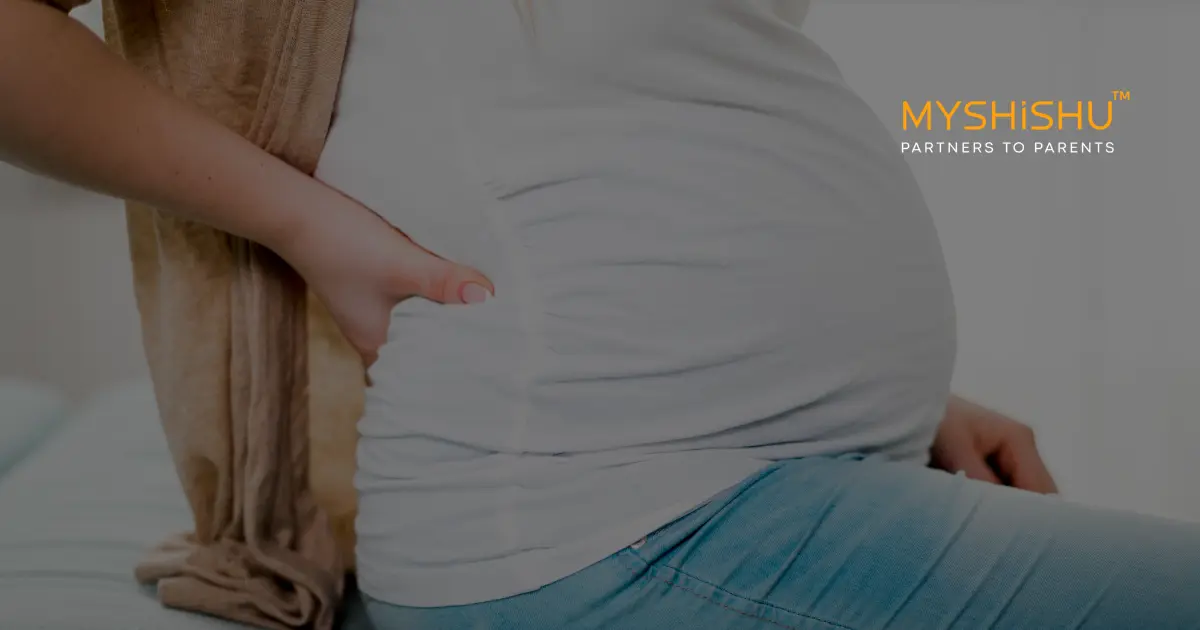
For many women, pregnancy is a beautiful and miraculous time filled with excitement and anticipation. However, it also comes with a host of physical challenges and discomforts. One common issue that pregnant women often face is butt pain during pregnancy. This discomfort can range from mild to severe and can greatly impact a woman’s quality of life during pregnancy.
Understanding Butt Pain During Pregnancy
Butt pain during pregnancy can be attributed to several factors. The most common culprit is the increased pressure on the pelvic region as the baby grows which puts pressure on the nerves in the lower back and buttocks. Hormonal changes during pregnancy can also contribute to increased laxity in the joints and muscles, leading to discomfort and pain.
Additionally, as the baby grows, the center of gravity shifts, leading to poor posture and strain on the lower back and buttocks. This can result in pain, numbness, and tingling in the buttocks and legs, a condition known as sciatica.
Managing Butt Pain
Although butt pain during pregnancy can be uncomfortable, there are several strategies that can help alleviate the discomfort. One of the most important things is to maintain proper posture and avoid positions that put excess strain on the lower back and buttocks. This includes avoiding standing or sitting for long periods of time and using a pillow to support the lower back while sitting or sleeping.
Exercising regularly can also help strengthen the muscles in the lower back and buttocks, providing better support and reducing pain. Gentle stretches and yoga poses designed for pregnant women can help improve flexibility and alleviate tension in the muscles.
Seeking Professional Help
If the pain persists or becomes severe, it is important to seek professional help. A chiropractor or physical therapist specializing in prenatal care can provide tailored treatments to address the underlying causes of butt pain during pregnancy. They can also provide guidance on proper body mechanics and exercises to help manage the discomfort.
In some cases, a pelvic support belt may be recommended to provide additional support to the lower back and pelvic region. This can help alleviate pressure and reduce pain, allowing for a more comfortable pregnancy experience.
Self-Care Tips
In addition to seeking professional help, there are several self-care tips that pregnant women can incorporate into their daily routine to help manage butt pain. Applying heat or ice packs to the affected area can help reduce inflammation and alleviate discomfort.
Maintaining a healthy weight and staying active can also help prevent and alleviate butt pain during pregnancy. Eating a balanced diet rich in nutrients and staying hydrated can help support overall health and reduce discomfort.
Conclusion
Butt pain during pregnancy is a common issue that many women face. By understanding the causes of the pain and implementing strategies to manage and alleviate discomfort, pregnant women can experience a more comfortable and enjoyable pregnancy journey. Seeking professional help and incorporating self-care tips into daily routine can make a significant difference in managing butt pain during pregnancy.