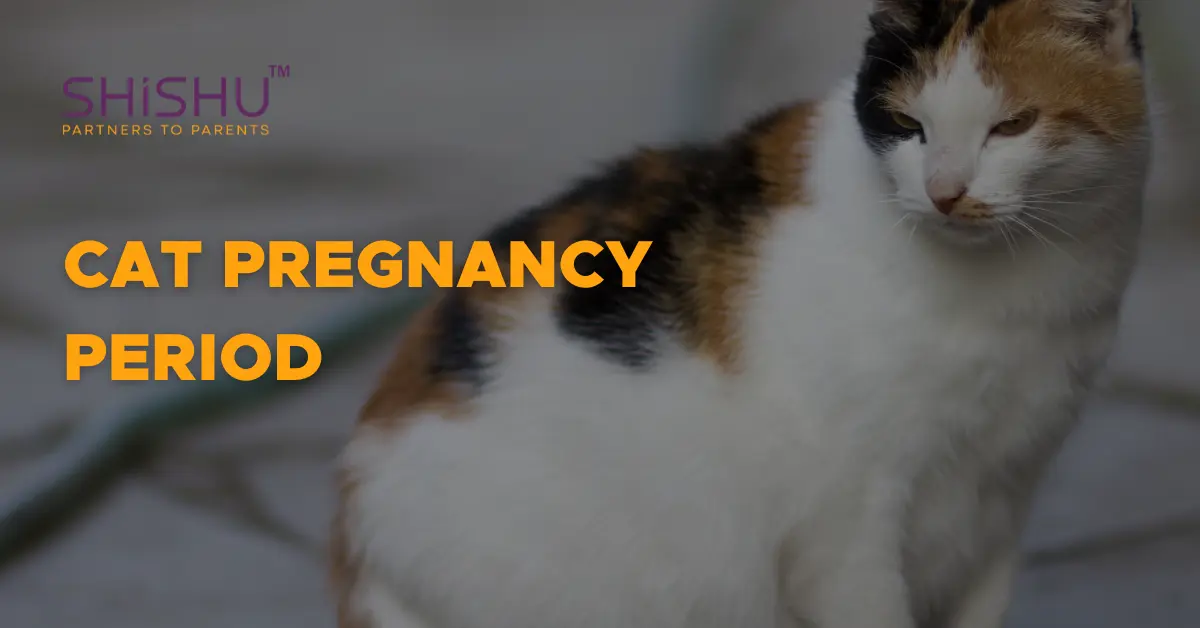
Cat Pregnancy Period: A Comprehensive Guide
One of the most exciting times in a cat owner’s life is when their beloved feline friend is expecting kittens. The cat pregnancy period is a magical journey filled with anticipation, joy, and responsibility. In this article, we will delve into the details of what to expect during this time, how to care for your pregnant cat, and what signs to look out for as the due date approaches.
Understanding the Cat Pregnancy Cycle
A cat pregnancy period typically lasts between 63 to 65 days, with an average gestation period of 65 days. Pregnancy can be divided into three main stages: the early stage (1-21 days), the middle stage (21-42 days), and the late stage (42-65 days).
During the early stage of pregnancy, you may notice subtle changes in your cat’s behavior and appetite. She may become more affectionate, seeking out attention and cuddles. It is crucial to provide her with a nutritious diet during this time to support the development of the kittens.
As the pregnancy progresses into the middle stage, your cat’s belly will start to swell as the kittens grow. You may also feel the kittens moving inside her abdomen. It is essential to provide her with a comfortable and quiet space to rest, as she will need plenty of rest during this stage.
In the late stage of cat pregnancy period, you may notice your cat nesting, preparing a cozy spot for her impending labor. She may also experience a decrease in appetite as the kittens take up more space in her abdomen. It is essential to monitor her closely during this time and be prepared for the arrival of the kittens.
Early signs a cat is pregnant
Here are some early signs that can indicate a cat is pregnant:
- Missed heat cycle: One of the first clues is if a female cat that has been in heat fails to go into heat again within her regular cycle, which is typically every 2-3 weeks.
- Morning sickness: Like humans, cats can experience nausea and vomiting early in pregnancy, often referred to as “morning sickness.”
- Increased appetite: Around the third week of pregnancy, many cats start to eat more as their bodies require additional nutrients for the developing kittens.
- Nipple changes: The cat’s nipples may become enlarged and more prominent, and the surrounding area may appear slightly swollen or discolored (often pinkish).
- Weight gain: As the pregnancy progresses, the cat will start to gain weight, which may be noticeable around the fourth week or later.
- Behavioral changes: Some pregnant cats may become more affectionate or clingy, while others may become more reclusive or irritable due to hormonal changes.
- Nesting behavior: In the later stages of pregnancy, the cat may start exhibiting nesting behavior, such as searching for a quiet and secluded place to give birth.
It’s important to note that some of these signs can also be indicative of other medical conditions, so it’s always best to consult with a veterinarian for an accurate diagnosis and proper prenatal care.
Cat pregnancy period week by week
Here’s a week-by-week overview of a cat pregnancy period:
Week 1: After mating, the fertilized eggs begin to travel to the uterus for implantation. There are typically no visible signs of pregnancy at this stage.
Week 2: The fertilized eggs implant in the uterine lining, and the cat may start experiencing morning sickness or a decreased appetite.
Week 3: The fetuses begin to develop, and the cat’s appetite may increase. Nipples may become slightly enlarged or pinkish in color.
Week 4: The fetuses continue to grow, and the cat’s weight gain becomes noticeable. Nipples may become more prominent, and the cat may start nesting or seeking a quiet place to give birth.
Week 5: The fetuses are now fully formed, and the cat’s abdomen will appear swollen. Fetal movement may be felt by the owner or veterinarian during palpation.
Week 6: The fetuses continue to grow, and the cat’s appetite may increase further. Nesting behavior may become more pronounced.
Week 7: The cat’s due date is approaching, and she may become more restless or seek a secluded spot for giving birth.
Week 8: This is the typical gestation period for cats, and the kittens are expected to be born around this time. The cat may exhibit signs of labor, such as panting, restlessness, or licking her genital area.
Week 9: If the kittens are not born by this time, it may indicate a problem, and veterinary assistance should be sought.
It’s essential to monitor the cat’s progress closely and provide proper prenatal care, including regular veterinary check-ups, to ensure a healthy pregnancy and delivery.
Caring for a Pregnant Cat
During the cat pregnancy period, it is vital to provide your cat with proper care to ensure the health and well-being of both the mother and her kittens. Here are some essential tips for caring for a pregnant cat:
1. Provide a balanced and nutritious diet: A pregnant cat needs a diet that is rich in nutrients to support the growth and development of her kittens. Make sure to feed her high-quality cat food that is specifically formulated for pregnant or nursing cats.
2. Monitor her weight gain: It is normal for a pregnant cat to gain weight during her pregnancy. However, it is essential to ensure that she does not become overweight, as this can lead to complications during labor.
3. Provide a comfortable and quiet space: Create a cozy and private area for your cat to rest and give birth. Make sure the area is warm, quiet, and free from any disturbances.
4. Regular veterinary check-ups: Schedule regular check-ups with your veterinarian to monitor your cat pregnancy period and address any potential issues that may arise.
Signs of Labor in Cat pregnancy period
As the due date approaches, it is essential to be aware of the signs of labor in cats. Some common signs that indicate your cat is about to give birth include:
1. Restlessness and nesting behavior: Your cat may become restless and start nesting, preparing a cozy spot for the birth.
2. Increase in vocalization: Your cat may meow more frequently as she gets closer to giving birth.
3. Decrease in appetite: Your cat may lose her appetite as she prepares for labor.
4. Licking her genital area: Your cat may start licking her genital area more frequently as she gets closer to giving birth.
Conclusion
The cat pregnancy period is a special time filled with excitement and anticipation. By understanding the different stages of pregnancy and providing proper care for your pregnant cat, you can ensure the health and well-being of both the mother and her kittens. Keep a close eye on your cat as the due date approaches, and be prepared to assist her during labor if needed. With the right care and support, your cat will give birth to healthy and happy kittens, bringing joy and love into your home.