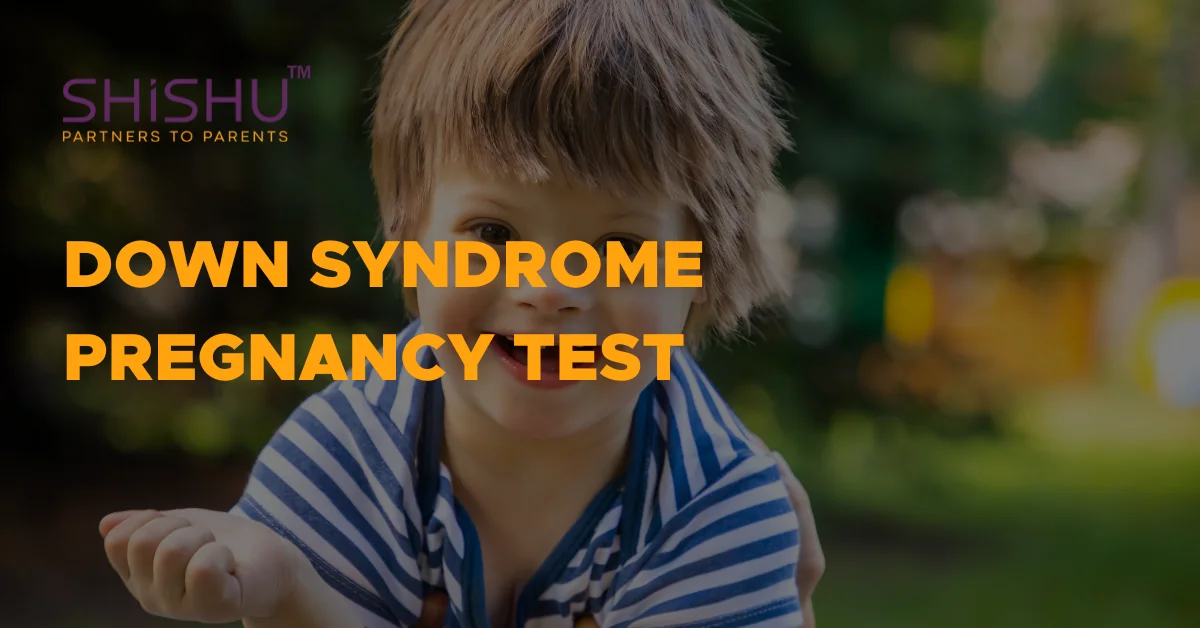
Down Syndrome Pregnancy Test
When expecting a child, one of the most common concerns parents have is whether their baby will be born healthy and without any complications. For parents who may be at a higher risk of having a baby with Down syndrome, getting tested during pregnancy can provide valuable information and help them make informed decisions about their baby’s future. In this blog post, we will explore the various tests available for screening Down Syndrome Pregnancy Test, the benefits and limitations of each test, and what to expect if you receive a positive result.
Understanding Down Syndrome
Down syndrome is a genetic condition that occurs when there is an extra copy of chromosome 21 in a person’s cells. This additional genetic material can cause physical and intellectual disabilities, as well as an increased risk of certain medical conditions. While the exact cause of Down Syndrome Pregnancy Test is not known, it is estimated that about 1 in every 700 babies born in the United States has the condition.
Prenatal Screening Tests
There are several prenatal screening tests available to assess the risk of having a baby with Down Syndrome Pregnancy Test. These tests can help expectant parents understand their baby’s genetic makeup and make informed decisions about their pregnancy. The two main types of tests are screening tests and diagnostic tests.
Screening tests, such as noninvasive prenatal screening (NIPS) and first trimester screening, are used to assess the likelihood of the baby having Down syndrome based on maternal age, blood tests, and ultrasound measurements. While these tests are noninvasive and pose minimal risk to the mother and baby, they are not diagnostic and can sometimes yield false positive results.
Diagnostic tests, such as chorionic villus sampling (CVS) and amniocentesis, are more invasive procedures that can definitively diagnose Down syndrome by analyzing the baby’s genetic material. These tests carry a slightly higher risk of miscarriage but provide more accurate results than screening tests.
Benefits of Down Syndrome Pregnancy Testing
There are several benefits to screening for Down Syndrome Pregnancy Test. By knowing the baby’s genetic makeup early on, parents can prepare emotionally and financially for the challenges of raising a child with Down syndrome. Additionally, prenatal testing can help parents make decisions about their pregnancy, such as whether to continue the pregnancy or seek additional medical care.
Early detection of Down syndrome can also help parents connect with a supportive community of other families affected by the condition, as well as access resources and information to help them navigate the challenges of raising a child with special needs.
Limitations of Down Syndrome Pregnancy Testing
While prenatal testing for Down Syndrome Pregnancy Test can provide valuable information, it is not without its limitations. Screening tests can sometimes yield false positive results, which can cause unnecessary stress and anxiety for expectant parents. Additionally, diagnostic tests carry a small risk of miscarriage, which may deter some parents from undergoing testing.
It is important for parents to discuss their options with a healthcare provider and weigh the risks and benefits of testing before making a decision. Ultimately, the choice to undergo prenatal testing for Down syndrome is a personal one that should be made based on individual circumstances and preferences.
Receiving a Positive Result
If a prenatal screening test indicates an increased risk of having a baby with Down syndrome, it is important to remember that this is not a definitive diagnosis. Further testing, such as diagnostic testing, is required to confirm the results. It is also essential to seek counseling and support from healthcare professionals, genetic counselors, and support groups to understand the implications of a positive result and make informed decisions about the pregnancy.
While receiving a positive result can be overwhelming, it is important to remember that children with Down syndrome can lead happy and fulfilling lives with the right support and resources. Many parents find that the joy and love their child brings far outweigh the challenges of raising a child with special needs.
Conclusion
Down Syndrome Pregnancy Test can provide valuable information for expectant parents and help them make informed decisions about their pregnancy. While screening tests can assess the risk of having a baby with Down syndrome, diagnostic tests can definitively diagnose the condition. It is important for parents to weigh the risks and benefits of testing and seek support from healthcare professionals and support groups throughout the process.
Regardless of the outcome of prenatal testing, it is essential to remember that children with Down syndrome are unique individuals who can lead happy and fulfilling lives with the right support and resources. By understanding the implications of a positive result and connecting with a supportive community, parents can navigate the challenges of raising a child with special needs and celebrate the joy their child brings to their lives.