Understanding Epidural Pregnancy
Pregnancy and childbirth are among the most extraordinary experiences in a woman’s life, but they can also be accompanied by intense pain and discomfort. To alleviate this pain and ensure a more comfortable delivery process, many expectant mothers opt for epidural analgesia. In this blog post, we will delve into the details of epidural pregnancy, exploring its benefits, potential risks, and what expectant mothers can anticipate during this form of pain relief.
What is an Epidural During Pregnancy?
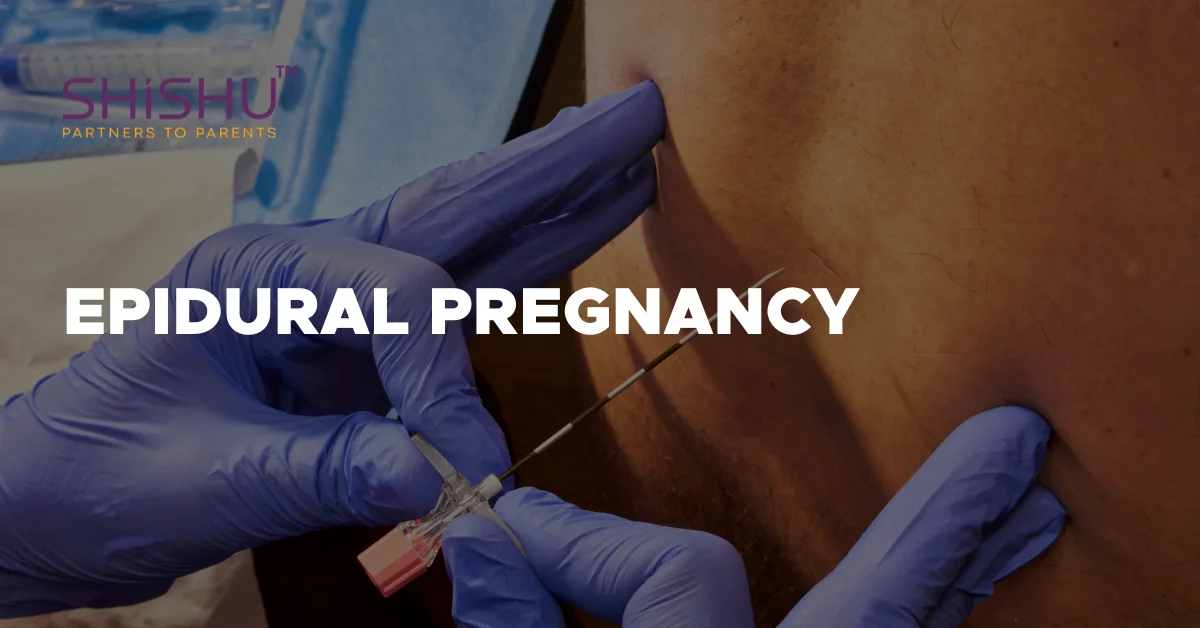
An epidural pregnancy refers to the administration of an epidural, a type of regional anesthesia, during labor and delivery. This procedure involves injecting a combination of numbing medications, typically a local anesthetic and an opioid, into the epidural space surrounding the spinal cord. The epidural catheter is placed in the lower back, allowing for continuous or intermittent administration of the medication throughout the labor process.
Benefits of Epidural Analgesia
There are several advantages to choosing epidural pregnancy for pain relief during labor:
- Effective Pain Management: Epidural analgesia effectively blocks the pain signals from the lower body, providing significant relief during contractions and the pushing stages of labor.
- Decreased Stress and Anxiety: By reducing the intensity of labor pains, an epidural can help expectant mothers remain more relaxed and less anxious, which can contribute to a smoother delivery process.
- Increased Stamina: With reduced pain and fatigue, women who receive an epidural may have more energy reserves for the demanding tasks of labor and delivery.
- Improved Ability to Participate: An epidural can allow expectant mothers to remain alert and actively involved in the birthing experience, enabling them to make informed decisions and follow instructions from healthcare providers.
- Potential Reduced Need for Interventions: In some cases, effective pain management through an epidural may reduce the need for other interventions, such as forceps or vacuum-assisted deliveries.
Potential Risks and Side Effects
While epidural pregnancy is generally considered safe, it is essential to be aware of potential risks and side effects:
- Headaches: Some women may experience headaches following the epidural procedure, which can be managed with appropriate treatment.
- Drop in Blood Pressure: The medications used in an epidural can cause a temporary drop in blood pressure, which healthcare providers closely monitor and manage.
- Itching: The opioid component of the epidural medication may cause itching, which can be alleviated with appropriate medication.
- Prolonged Labor: In some cases, an epidural may prolong the labor process, although the overall impact on labor duration is minimal.
- Difficulty Urinating: The epidural can temporarily affect the ability to urinate, necessitating the use of a catheter during labor.
Candidates for Epidural Analgesia
Most healthy pregnant women who are not at high risk for complications can be candidates for epidural pregnancy. However, healthcare providers may recommend against an epidural in certain situations, such as:
- Bleeding disorders or anticoagulant therapy
- Severe spinal deformities or previous spinal surgeries
- Certain maternal infections or fevers
It is essential to discuss your medical history and any concerns with your healthcare provider to determine if an epidural is the appropriate choice for you.
Timing and Administration of an Epidural
The timing of epidural administration can vary depending on individual circumstances and healthcare provider recommendations. Generally, an epidural can be administered once active labor has begun and the cervix has dilated to a certain extent.
During the procedure, an anesthesiologist or certified nurse anesthetist will carefully insert the epidural catheter into the epidural space in the lower back. The medication is then administered through the catheter, providing continuous or intermittent pain relief throughout the labor process.
After the Epidural: What to Expect
After receiving an epidural, expectant mothers can anticipate the following:
- Reduced Sensation and Movement: The epidural will numb the lower body, reducing sensations of pain and potentially limiting mobility in the lower extremities.
- Continuous Monitoring: Healthcare providers will closely monitor the mother’s vital signs, as well as the baby’s well-being, throughout the labor process.
- Potential Need for Additional Interventions: In some cases, additional interventions, such as pitocin to augment contractions or the use of forceps or vacuum assistance, may be required if labor stalls or complications arise.
- Postpartum Recovery: The effects of the epidural typically wear off within a few hours after delivery, allowing for normal sensation and movement to return gradually.
Conclusion
Epidural pregnancy offers a safe and effective option for pain management during labor and delivery. By understanding the benefits, potential risks, and what to expect, expectant mothers can make informed decisions about their pain relief choices. Open communication with healthcare providers and a thorough understanding of individual circumstances are essential in ensuring a positive and comfortable birthing experience.