Fl In Pregnancy
Are you expecting a little bundle of joy and wondering how the presence of fluorescent lighting in your environment could potentially impact your pregnancy? In this blog post, we will explore the effects of fluorescent lighting on pregnant women, including potential risks, safety measures, and tips to manage any concerns. From understanding the basics of Fl In Pregnancy to practical advice on creating a comfortable and safe environment, we’ve got you covered.
Understanding Fluorescent Lighting
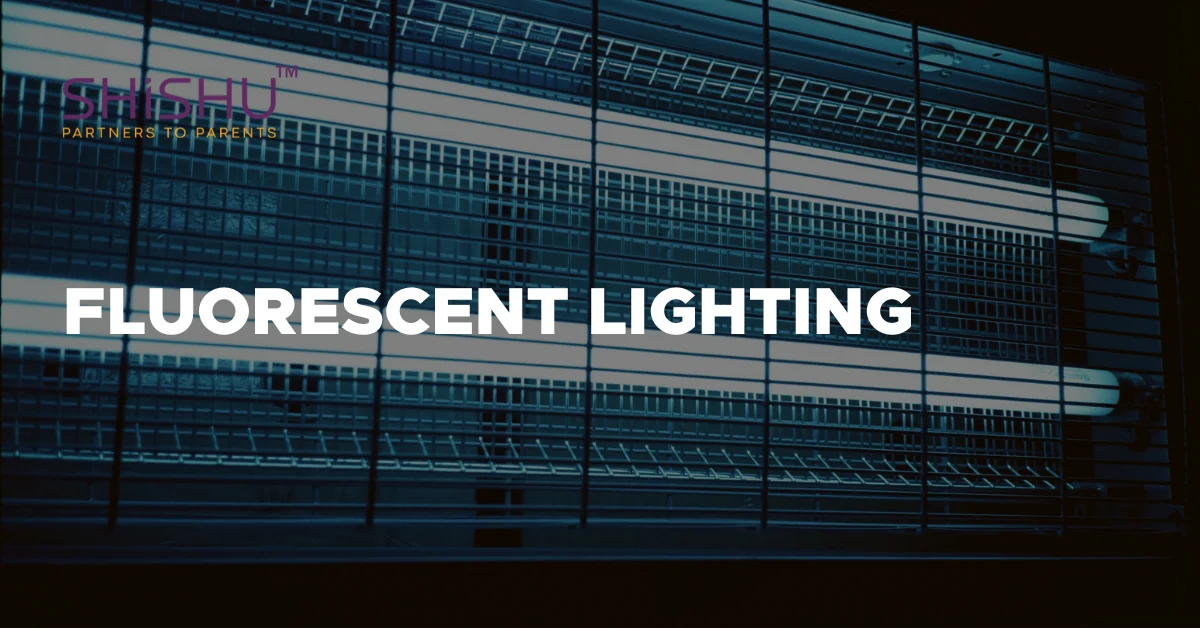
Fl In Pregnancy is a common type of artificial lighting used in offices, homes, and public spaces. This type of lighting uses a combination of mercury vapor and phosphor to produce light. While fluorescent lighting is energy-efficient and cost-effective, it can also emit a small amount of ultraviolet (UV) radiation and electromagnetic fields (EMF). These emissions have raised concerns about their potential health effects, especially for pregnant women.
Fl In Pregnancy is known for its flickering effect, which can cause headaches, eye strain, and dizziness in some people. For pregnant women, these symptoms can be particularly bothersome and may lead to increased discomfort or stress.
Potential Risks of Fluorescent Lighting During Pregnancy
Pregnant women may be more sensitive to the effects of Fl In Pregnancy due to hormonal changes and increased susceptibility to environmental stressors. Some potential risks of exposure to fluorescent lighting during pregnancy include:
1. Increased risk of headaches and migraines: The flickering nature of fluorescent lighting can trigger headaches and migraines in pregnant women, leading to discomfort and decreased well-being.
2. Disruption of circadian rhythms: Exposure to artificial lighting, especially in the evening, can disrupt the body’s natural sleep-wake cycle, affecting the quality of sleep and overall health.
3. Potential exposure to UV radiation: While the amount of UV radiation emitted by fluorescent lighting is minimal, prolonged exposure can still pose a risk, especially for pregnant women with sensitive skin.
4. Emotional and psychological impact: Harsh or bright lighting can affect mood and emotional well-being, potentially exacerbating stress or anxiety during pregnancy.
Safety Measures for Pregnant Women
To minimize the potential risks associated with Fl In Pregnancy, consider implementing the following safety measures:
1. Opt for natural light whenever possible: Whenever possible, choose natural light sources, such as sunlight, to illuminate your living or working space. Natural light is not only beneficial for your mood and well-being but also free of artificial emissions.
2. Use full-spectrum lighting: If natural light is not readily available, consider using full-spectrum lighting, which mimics the qualities of natural sunlight. Full-spectrum bulbs can help reduce eye strain and create a more comfortable environment.
3. Adjust lighting levels: Dim or adjust the brightness of fluorescent lighting to reduce the flickering effect and minimize discomfort. Soft, diffused lighting can create a more soothing atmosphere, especially in the evening.
4. Take regular breaks: If you are exposed to fluorescent lighting for an extended period, be sure to take regular breaks to rest your eyes and reduce the risk of headaches or fatigue. Moving to a different environment with natural light can also be beneficial.
Tips for Managing Fluorescent Lighting Concerns
In addition to safety measures, here are some practical tips for managing any concerns related to Fl In Pregnancy:
1. Create a soothing environment: Decorate your living or working space with calming colors, textures, and décor to counteract the harshness of fluorescent lighting. Soft furnishings, plants, and artwork can help create a more inviting and relaxing atmosphere.
2. Use task lighting: Instead of relying solely on overhead fluorescent lighting, consider incorporating task lighting, such as desk lamps or floor lamps, to provide targeted illumination where needed. Task lighting can help reduce the overall reliance on fluorescent lighting.
Conclusion
While Fl In Pregnancy can pose some risks for pregnant women, especially in terms of headaches, circadian rhythm disruption, and potential UV exposure, there are proactive steps you can take to minimize these risks and create a more comfortable and safe environment. By understanding the basics of fluorescent lighting, implementing safety measures, and following practical tips for managing concerns, you can navigate the challenges of pregnancy with confidence and peace of mind. Remember to prioritize your well-being and seek support if you have any specific concerns about your exposure to fluorescent lighting during pregnancy.