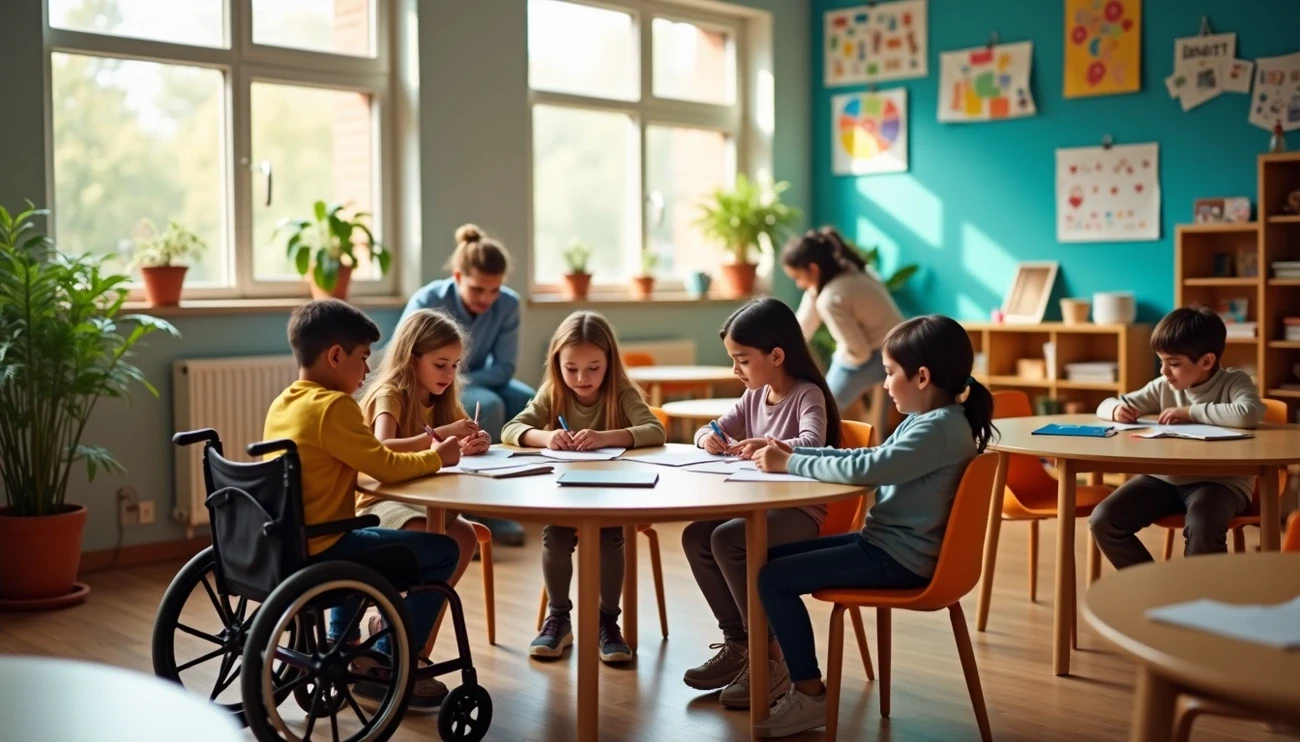
The Influence of Social Factors on Parenting
Parenting is a complex and multifaceted task that is greatly influenced by various factors. While parents are primarily responsible for the well-being and upbringing of their children, it is essential to acknowledge the impact of social influences on their parenting practices. The way parents raise their children is often shaped by societal norms, cultural values, peer pressure, and media portrayal of idealized parenting. This article aims to explore the social factors that influence parenting choices and practices and discuss the potential consequences on both parents and children.
Influence of Societal Norms
Societal norms play a significant role in shaping parenting practices. These norms are the set of unwritten rules that guide behavior within a society. They enforce specific expectations and ideals about what constitutes “good” parenting and can potentially lead parents to conform to certain behaviors. For example, some societies prioritize obedience and discipline, while others emphasize independence and creativity. Parents may feel pressure to conform to these norms to gain acceptance within their social circle or the broader community.
Parenthood brings about a sense of identity and belonging, and parents often seek validation from others. The pressure to fit into societal norms may, at times, overshadow their own intuition and natural parenting style. Consequently, this can create a situation where parents prioritize external validation over considering the unique needs and characteristics of their own child.
Impact of Cultural Values
Cultural values have a profound influence on parenting styles. Each culture has a particular set of values and beliefs that shape the expectations placed on parents. For example, some cultures tend to emphasize collectivism and the importance of conforming to social expectations, while others prioritize individualism and personal achievement.
These cultural values influence not only the goals and aspirations parents have for their children but also the methods they use to achieve them. For instance, parents from collectivist cultures may place greater importance on obedience and conformity, while parents from individualistic cultures may emphasize independence and self-expression.
Parents may also incorporate cultural traditions, rituals, and beliefs into their parenting practices. These practices, while having strong cultural significance, can sometimes clash with more contemporary parenting approaches. Balancing cultural values with modern parenting methods may become an emotionally challenging task for parents, especially in culturally diverse societies.
Peer Pressure and Parenting
Peer pressure can also significantly influence parenting choices and practices. Parents may feel pressure to conform to the practices of their peers, especially when it comes to parenting methods and strategies. They may feel compelled to adopt the same parenting styles, disciplinary techniques, or educational philosophies as their friends or acquaintances, fearing ostracism or criticism if they go against the norm.
This influence can lead to a sense of competition among parents, where they strive to meet societal expectations and excel in perceived measures of success. Parents who succumb to peer pressure may prioritize the appearance of being a “good” parent rather than focusing on the individual needs of their child. This can result in an artificial and inauthentic approach to parenting, which may eventually have adverse effects on both parent-child relationships and the child’s overall development.
Media Portrayal of Parenting
Media, in its various forms, has a significant impact on our everyday lives, including parenting. Films, advertisements, TV shows, and social media platforms often portray an idealized version of parenting, highlighting what is considered desirable and successful. These unrealistic depictions can lead parents to compare their own parenting journey to an unattainable standard, causing feelings of inadequacy and self-doubt.
Furthermore, media can shape parents’ perceptions of what is considered “good” parenting. They may be influenced by how parenting is represented in the media, subconsciously internalizing certain beliefs and values. This can result in parents embracing or rejecting certain practices solely based on their exposure to media portrayals.
Consequences for Parents and Children
The influence of societal norms, cultural values, peer pressure, and media portrayal of parenting can have both positive and negative consequences for parents and children. While adhering to certain societal expectations and cultural traditions can provide a sense of belonging and continuity, it can also restrict individuality and autonomy.
Parents may feel overwhelmed and constantly evaluating their choices and abilities against external standards, leading to increased stress and anxiety. Children, on the other hand, may experience inconsistent parenting approaches or a lack of focus on their individual needs, hindering their emotional and cognitive development.
Conclusion
Recognizing the impact of social factors on parenting is essential for both parents and society as a whole. By understanding the influence of societal norms, cultural values, peer pressure, and media portrayal, parents can make informed choices while still acknowledging and honoring their own intuition and their child’s unique characteristics.
Moreover, promoting open discussions and providing support for parents can help alleviate the pressure to conform and foster a healthier parenting environment. By challenging societal norms and embracing diverse parenting styles, we can create a society that values individuality and empowers parents to make choices that best meet the needs of their children.