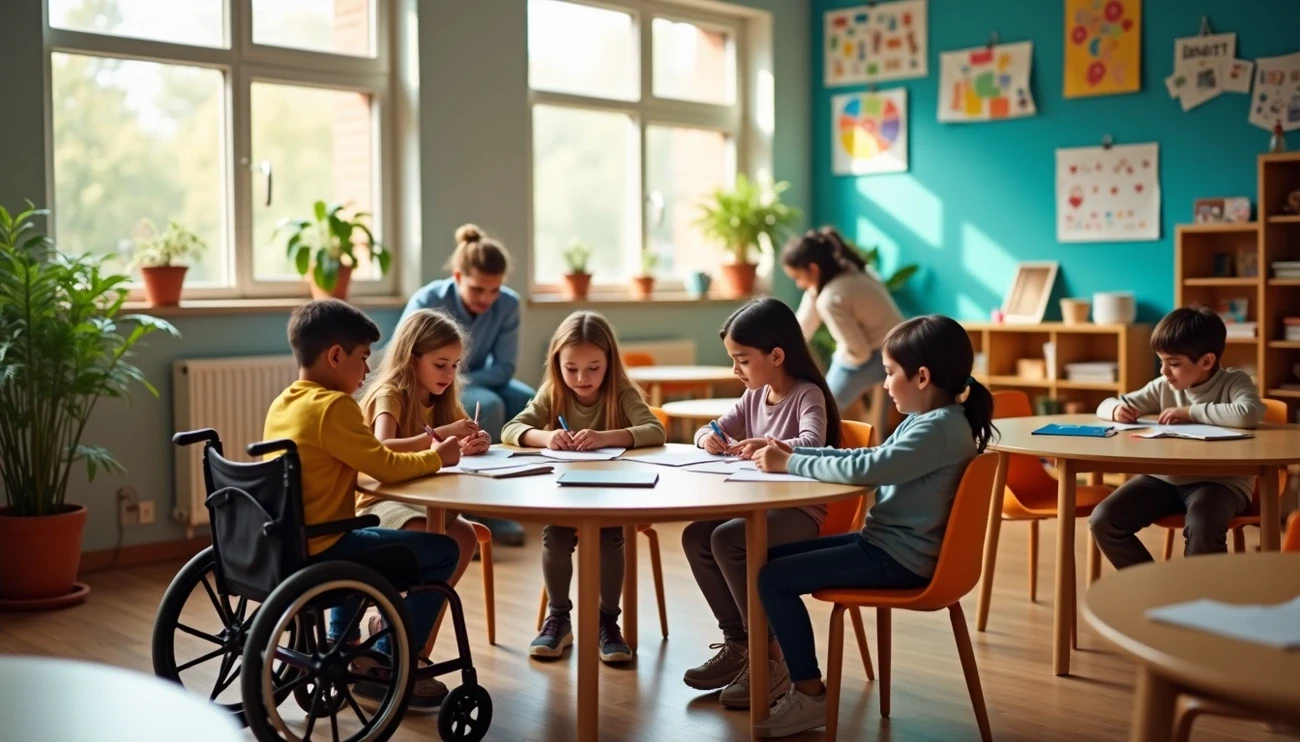
The Role of Socialization in Parenting Styles
Socialization is a key aspect of raising a child, influencing their development and molding their personality. The way parents choose to socialize their children can have a significant impact on their growth, relationships, and overall well-being. Parenting styles play a vital role in this process, determining how children interact with others, handle conflicts, and approach various situations. In this blog post, we will explore the relationship between socialization and parenting styles, and delve into the different approaches that parents can embrace to promote healthy social development in their children.
The Importance of Socialization
Socialization can be defined as the process through which individuals learn and internalize the norms, values, behaviors, and skills of their society. It is an essential aspect of human development, as it equips individuals with the tools necessary to navigate social interactions, build relationships, and contribute to their communities. From infancy onwards, children are learning from their environment, observing and imitating the behaviors of their parents, siblings, and peers. Hence, parents play a critical role in shaping their children’s socialization experiences through their attitudes, beliefs, and interaction patterns.
Authoritarian Parenting Style
One parenting style that influences socialization is authoritarian parenting. In this style, parents are highly demanding and controlling, setting strict rules and expecting unquestionable obedience from their children. While this approach may help children become disciplined, it can hinder their social skills and ability to handle autonomy. Children brought up by authoritarian parents may struggle with assertiveness, communication, and problem-solving, as they are used to following orders rather than thinking independently. Consequently, such children may find it challenging to form healthy relationships and develop social competence.
Permissive Parenting Style
On the other end of the spectrum, permissive parenting allows children significant autonomy and freedom without providing necessary guidance or discipline. While this may seem appealing to some, as it fosters independence, it can lead to difficulties in socialization. Children raised under permissive parenting may struggle with boundaries, lacking discipline and responsibility. Consequently, they might experience challenges in following rules and respecting authority, hindering their ability to navigate social norms and expectations. This parenting style can hinder children’s development of necessary social skills, affecting their future relationships and overall well-being.
Authoritative Parenting Style
The authoritative parenting style strikes a balance between providing structure and nurturing independence. Parents who embrace this approach set reasonable expectations, enforce rules, while also valuing open communication, problem-solving, and negotiation. This balanced parenting style promotes healthy socialization, as children learn to respect boundaries while also having the opportunity to express their thoughts and feelings. They develop strong interpersonal skills, which enable them to establish meaningful relationships, understand others’ perspectives, and handle conflicts in a constructive manner.
Uninvolved Parenting Style
Unfortunately, some parents adopt an uninvolved parenting style, characterized by neglect, lack of responsiveness, and minimal supervision. This parenting style can have severe consequences for a child’s socialization. Children with uninvolved parents may struggle with emotional regulation, have difficulty forming trusting relationships, and lack the necessary support to navigate social challenges. Without proper guidance and attention, they may struggle to learn social norms, empathy, and other crucial skills required for positive social interactions.
Conclusion
In conclusion, socialization plays a vital role in a child’s development, and parenting styles significantly influence how children learn and internalize societal norms and values. Parenting styles that are overly authoritarian or permissive can hinder healthy socialization, leading to difficulties in relationships and other aspects of life. On the other hand, authoritative parenting promotes positive socialization, fostering self-awareness, empathy, and strong interpersonal skills. Parents should strive to strike a balance between providing structure and nurturing independence, creating an environment that supports their children’s healthy social development. By adopting an authoritative parenting style, parents can positively influence their children’s socialization experiences and lay the foundation for their successful social interactions throughout life.